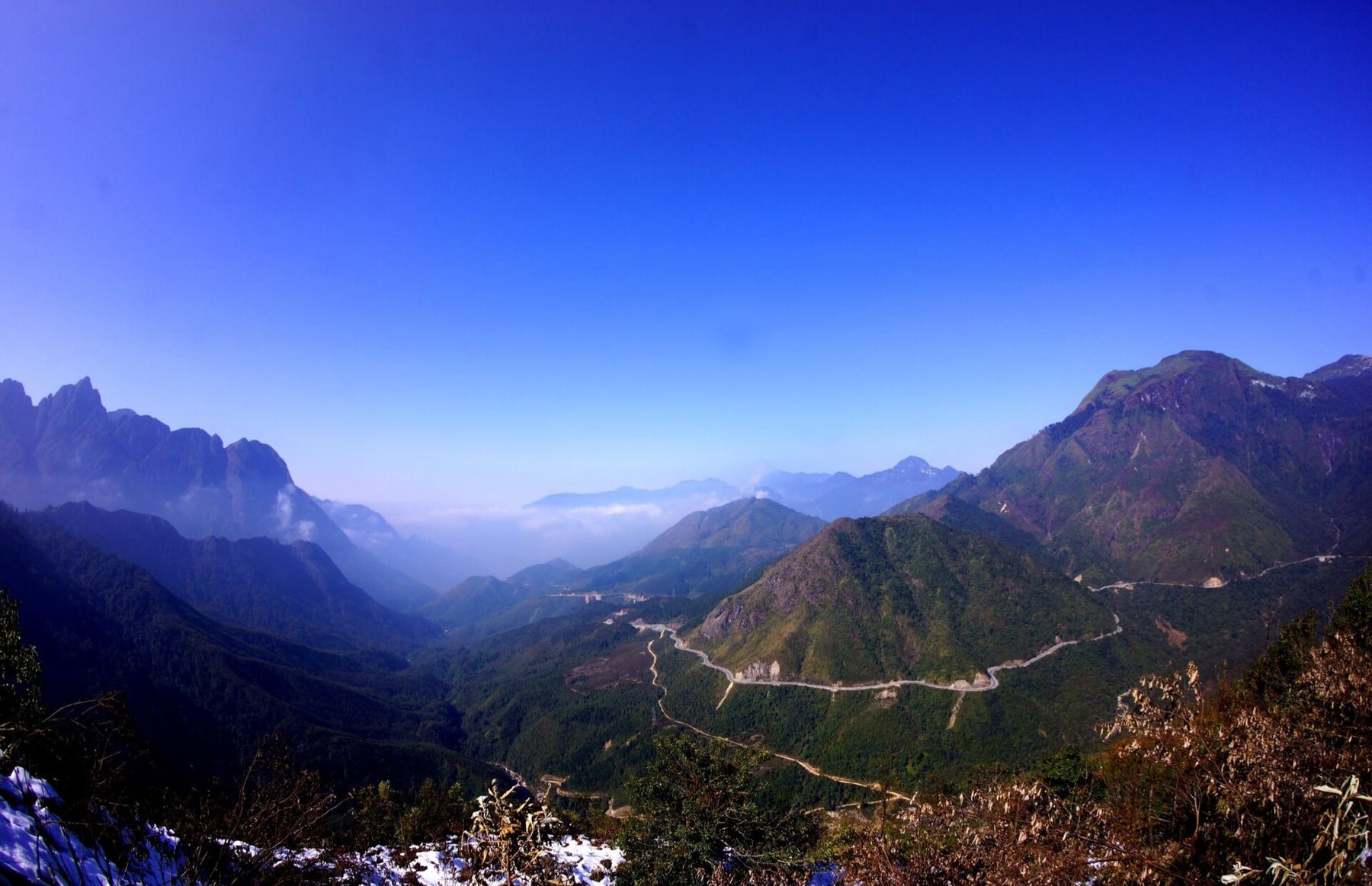
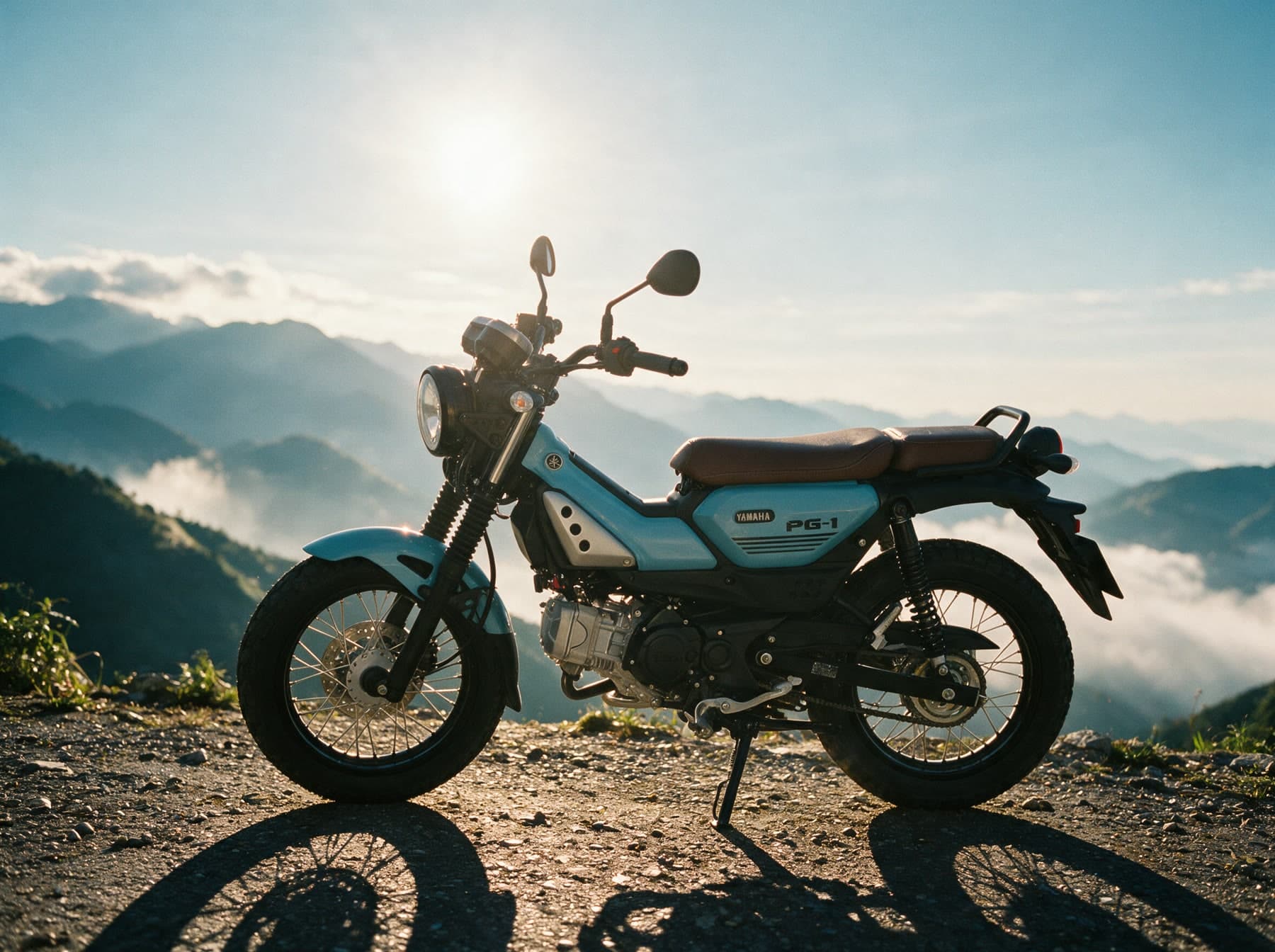
Photo: Kiếm Anh, CC BY-SA 4.0, Wikimedia Commons
Where to ride in Sa Pa: the O Quy Ho Pass, the fleet, and the altitude
Sa Pa rides at altitude from the first metre: a mountain town with one measured pass out of it, a narrower rental fleet than the coast, rain in every month of the year, and no guided tours here yet.
Fact-checked: September 7, 2026
Live rental prices, and every bike shows whether it needs a licence
Browse bikesWhy Sa Pa rides differently
Sa Pa sits at an average elevation of about 1,600 m in the far north of Vietnam, inside the Hoang Lien Son range, which also holds Fansipan, the country's highest peak. Riding out of town here starts already above a kilometre and a half, not at sea level like the coastal cities in the other guides.
The O Quy Ho Pass, in numbers
The O Quy Ho Pass is the one route here we have measured: 17.1 km, with the summit at 1,999 m reached just 0.8 km from the Sa Pa side. From there the road descends 964 m towards Lai Chau at an average grade of 5.9%, with 30 turns sharper than 60 degrees along the way - the road itself is 2.34 times longer than a straight line between its ends. There is no fuel station on the pass; the nearest one is 4.7 km from the road. The map marks Heaven's Gate, the Tram Ton pass viewpoint - a second name for the same pass - and the Rong May Glass Bridge along the route.
What is actually for rent in Sa Pa right now
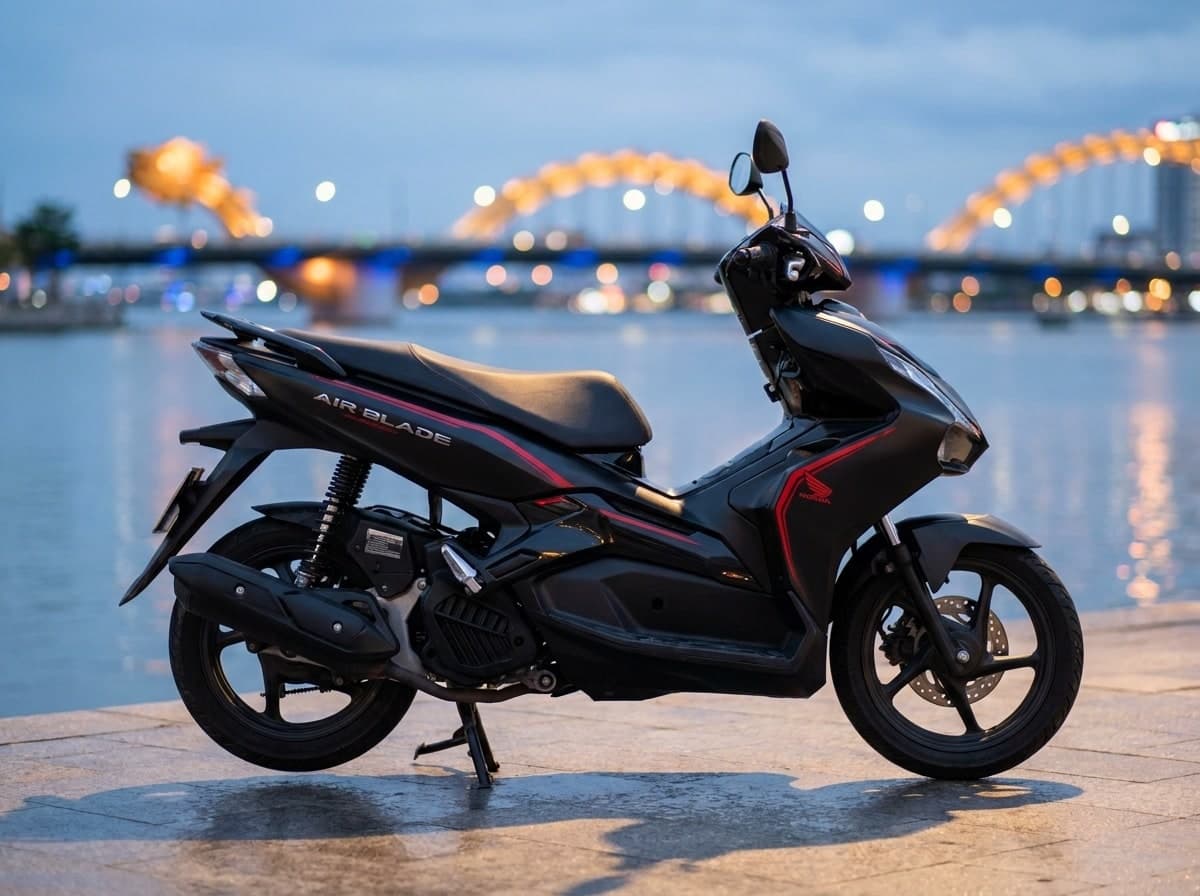
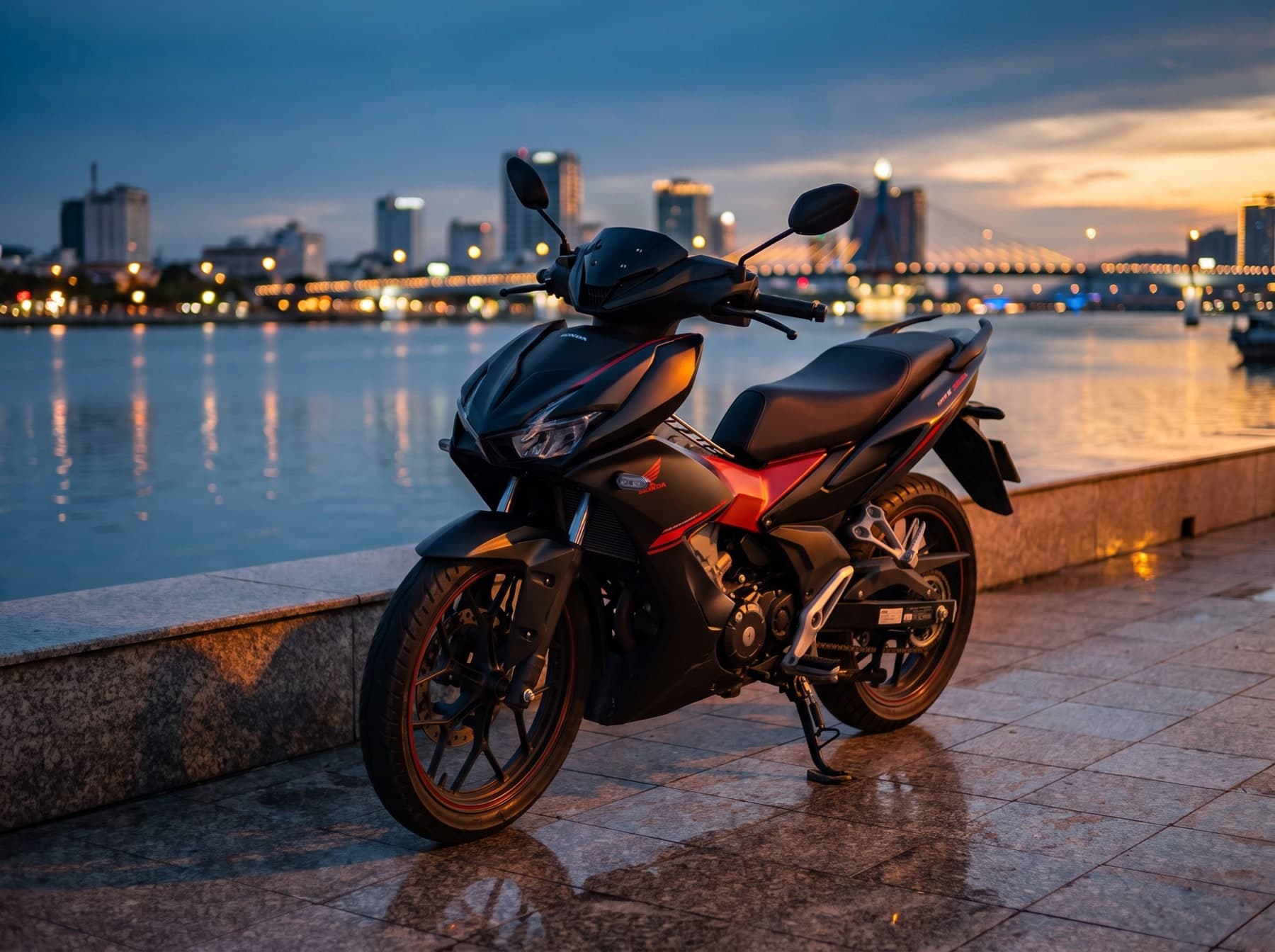
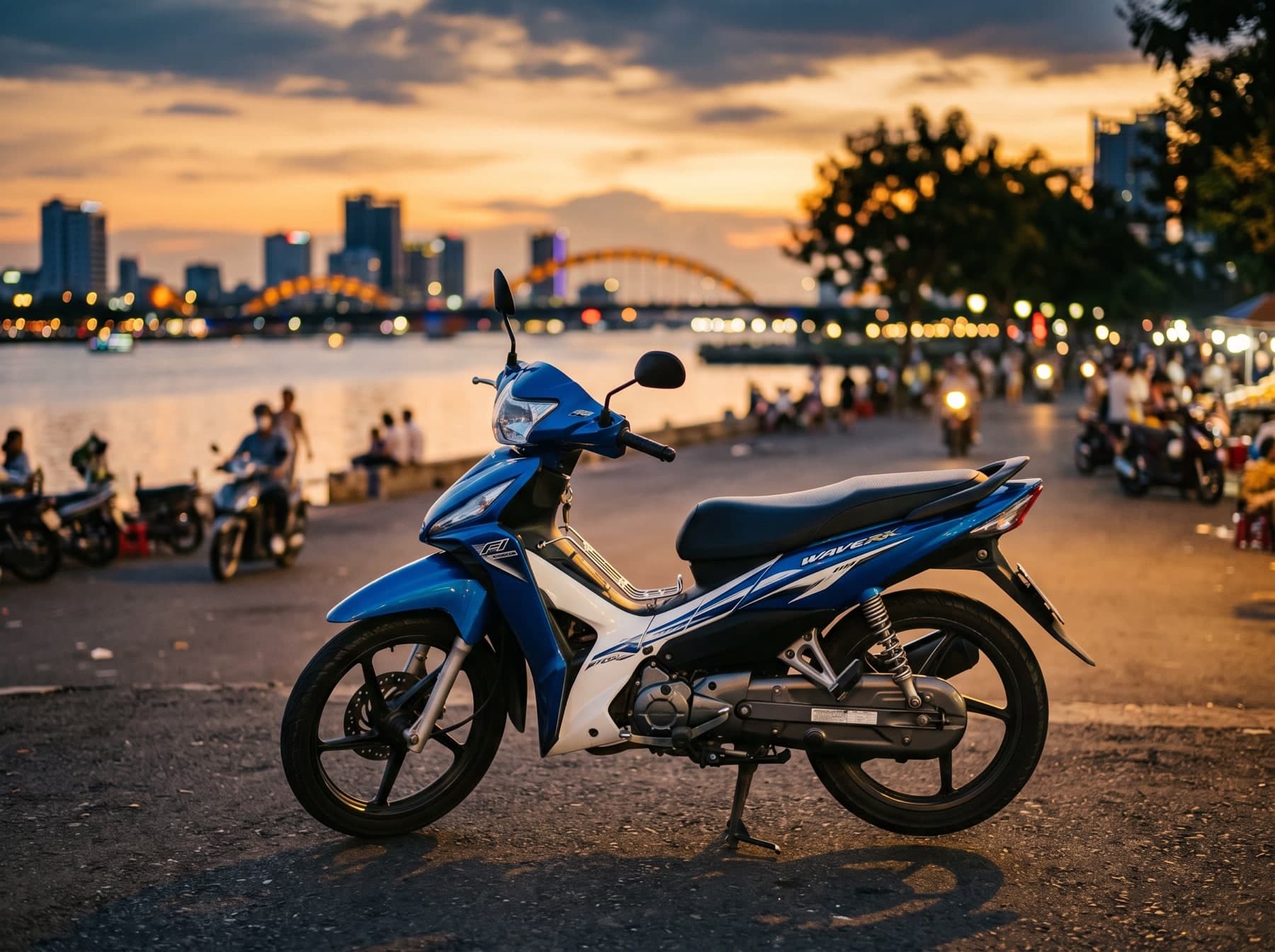
The Sa Pa rental fleet on this site is live - the list below updates from the catalogue rather than being rewritten by hand. The selection here is narrower than in the bigger coastal cities: a city scooter class built around the Honda Air Blade 125, semi-automatic step-throughs in the Honda Wave RSX 110 and the Yamaha PG-1, and light bikes up to 150 cc - the Honda Winner X 150 and the Honda XR150L, the closer of the two to an actual enduro. Prices and how many of each are listed are in the cards below - they change, which is exactly why we do not print them here.
What is not here yet: guided tours
Sa Pa has no guided tours or tour operators listed on our site yet. Everything above is self-guided: our own rental catalogue, and the O Quy Ho Pass measured for you to plan around rather than a route someone else has ridden and written up.
When to go, by the rain
Rain in Sa Pa does not split into a sharp dry and wet season the way it does on the coast: even the driest month, December, still averages 65 mm, and January and February sit at 70 and 73 mm - there is no dry season here in the usual sense. July and August are the wettest, at 461 mm and 451 mm.
Documents and fines before you ride
None of the above changes what you need before renting: a licence Vietnam actually recognises and insurance that still applies if something goes wrong - both covered in the licence and insurance guide. What you can actually be fined for, with the numbers behind Decree 168/2024, is in the traffic fines guide. What a Sa Pa rental can ask you to leave as security, and why a passport should not be it, is in the deposits and documents guide, and what a fair daily rate looks like across the country is in the rental prices guide.
What to actually pack
Altitude and rain both matter here: the town sits at about 1,600 m and the pass climbs to 1,999 m - that it is cooler there than on the coast follows from the height alone, we have no separate temperature data for either point. Rain does not take a season off either: even the driest month averages 65 mm, so a rain layer belongs in the bag year-round, not only in the wettest months of July and August.
Every bike on EastRide shows whether it needs a licence.
Browse bikes of Vietnam